Weight Equivalents: Strawberries
Article by Gil "hannaone"
© Copyright 2007-2025. All rights reserved.
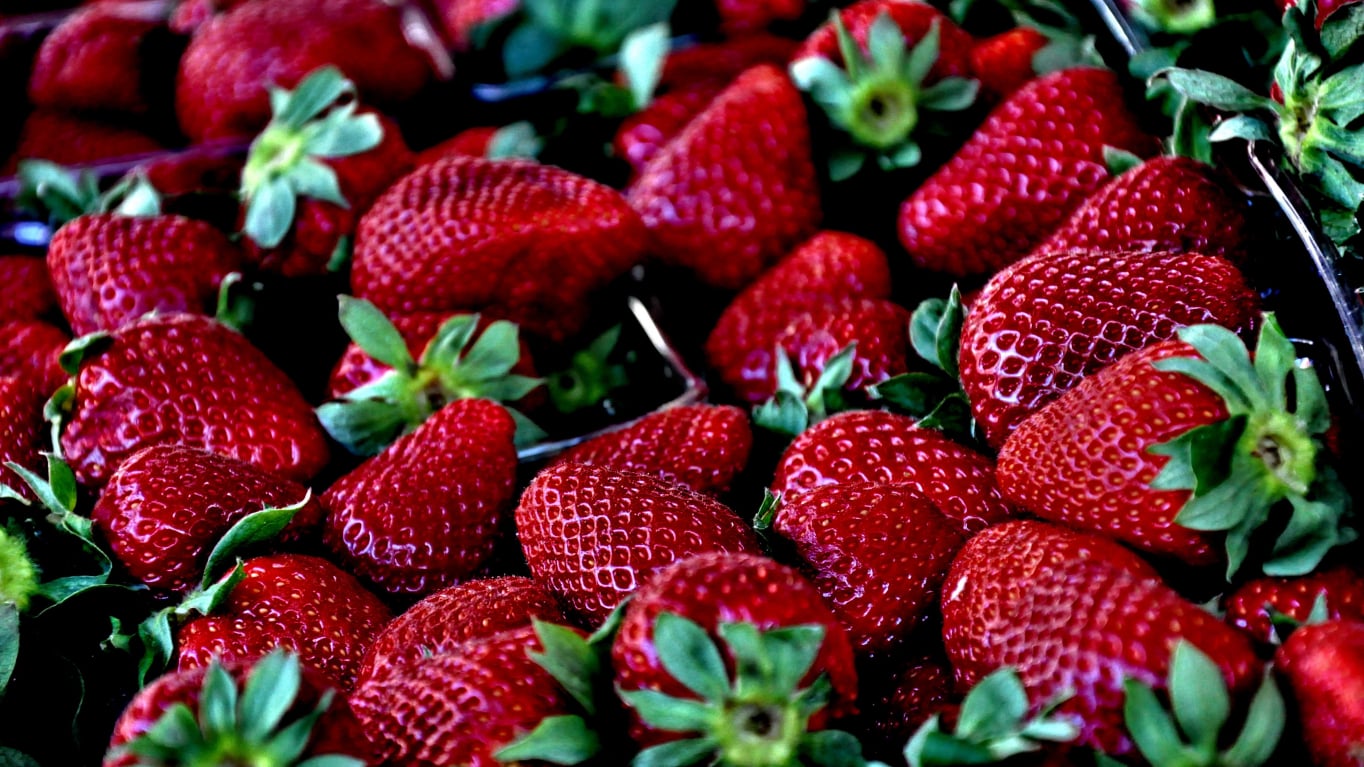
Image: Pixabay
Weight and nutrition information obtained from USDA food database or Korean Standard Food Composition Tables
Strawberries not only taste great, but are rich in vitamins and high in fiber. These small, red fruits pack a powerful punch of nutrition and have been a popular fruit for centuries. They can be enjoyed on their own, added to various dishes, or used in drinks and desserts. With their vibrant color and sweet flavor, strawberries are a favorite among many and offer numerous health benefits that make them a must-have in any diet.
Origin and History
Strawberries have been enjoyed for centuries, with evidence of their consumption dating back to ancient Roman times. The garden strawberry we know today (Fragaria × ananassa) originated in France in the 18th century through the crossbreeding of two wild strawberry species: Fragaria virginiana from North America and Fragaria chiloensis from South America.
Varieties
There are numerous strawberry varieties, each with its own unique flavor, size, and growing characteristics. Some popular varieties include:
Albion: Known for its large, sweet, and firm berries, ideal for eating fresh or in desserts.
Chandler: A versatile variety with large, juicy berries that are great for both fresh eating and processing.
Seascape: A day-neutral variety that produces sweet, medium-sized berries throughout the growing season.
Honeoye: An early-season variety with bright red, flavorful berries.
Uses
Strawberries are incredibly versatile and can be used in a variety of ways:
Fresh: Enjoyed as a snack, in salads, or as a garnish for desserts.
Baking: Used in pies, cakes, muffins, and other baked goods.
Preserves: Made into jams, jellies, and preserves.
Beverages: Used in smoothies, juices, and cocktails.
Frozen: Frozen strawberries are great for smoothies and desserts.
How to Choose Strawberries
When selecting strawberries, look for the following:
Bright red color with no white or green areas.
Firm and plump berries with a shiny appearance.
Fresh green leaves without signs of wilting.
Avoid berries that are mushy, moldy, or have a dull color.
Substitutes
If strawberries are unavailable, you can substitute them with other berries or fruits:
Raspberries: Similar in size and flavor profile.
Blueberries: Slightly different texture but can be used in many of the same dishes.
Blackberries: Larger and slightly tarter, but still a good substitute.
Cherries: Pitted and chopped, they can work well in many strawberry recipes.
Potential Health Benefits
Strawberries offer several health benefits:
Rich in vitamins: High in vitamin C, which supports immune health and skin health.
Antioxidants: Contain antioxidants like anthocyanins that protect cells from damage.
High in fiber: Supports digestion and helps maintain a healthy weight.
Low in calories: A nutritious, low-calorie snack option.
Heart health: May help reduce inflammation and improve heart health due to their polyphenol content.
❤️How much does a strawberry weigh?
| Strawberries | |||
|---|---|---|---|
| Extra Large |
1-5/8" dia |
27g | 1oz |
| Large |
1-3/8" dia |
18g | 0.6oz |
| Medium |
1-1/4" dia |
12g | 0.4oz |
| Small |
1" dia |
7g | 0.2oz |
| Cup, Pureed |
232g | 8.2oz | |
| Cup, Slices |
166g | 5.9oz | |
| Cup, Halves | 152g | 5.4oz | |
| Cup, Whole |
About 5 extra large or 8 Large or 12 medium or 20 small | 144g | 5.1oz |
| Pint |
357g | 12.6oz | |
Conversion from grams to ounce: 28.3495231g(rounded to 28.35)= 1 oz
Ounces shown are rounded up or down to the nearest tenth of an ounce.
Ounces shown are rounded up or down to the nearest tenth of an ounce.
| |||||||||||||||||||||||||||||||||||||||||||||||||||||||||||


Comments