Weight Equivalents: Plums
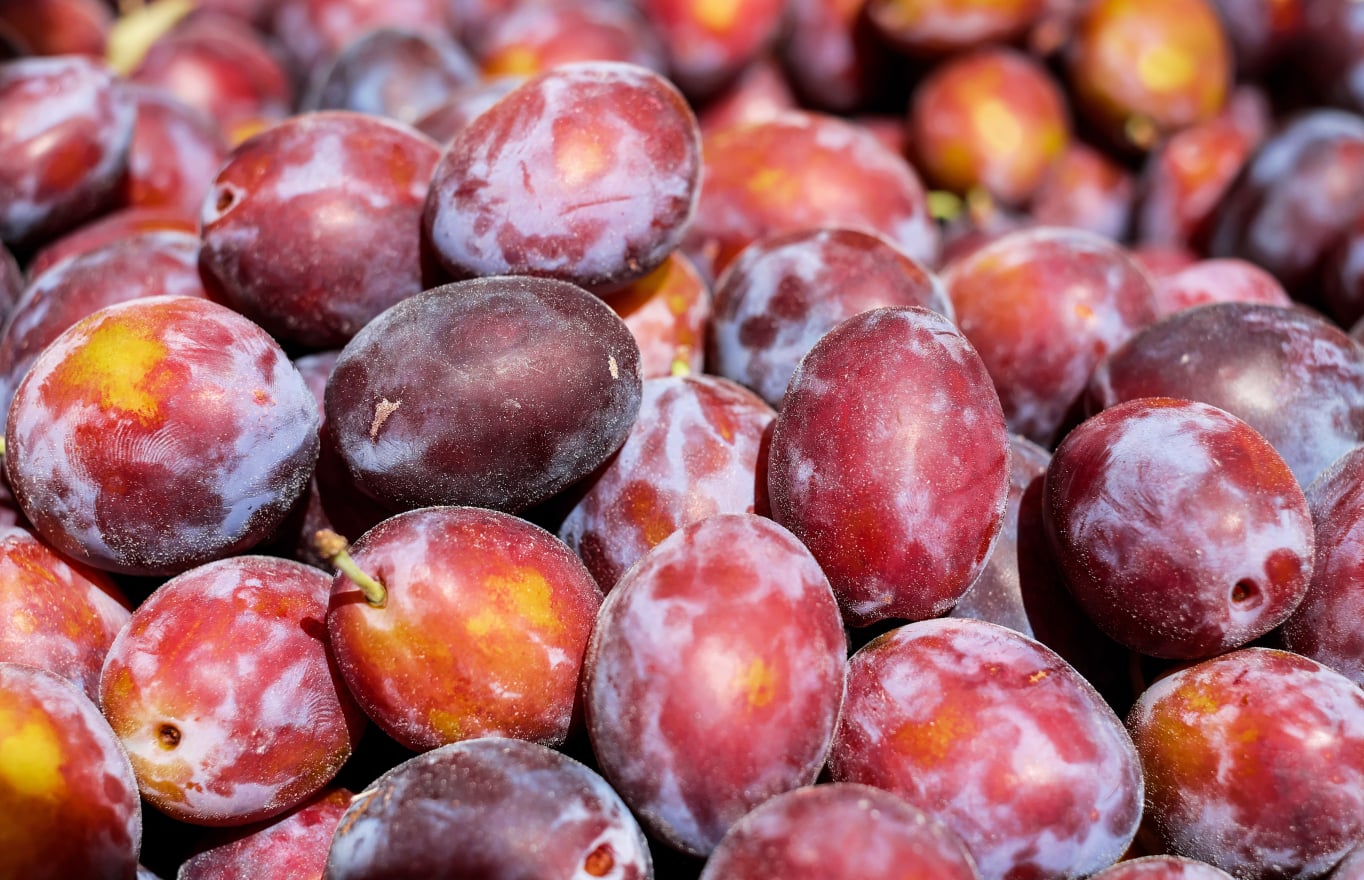
Article by Gil "hannaone"
© Copyright 2007-2025. All rights reserved.
Image from Pixabay
Weight and nutrition information obtained from USDA food database or Korean Standard Food Composition Tables
Origin and History
Plums (genus Prunus) are believed to have originated in China, where they have been cultivated for thousands of years. They spread to Europe and the Mediterranean region through trade and were later introduced to the Americas by European settlers. Plums have been a staple in various cultures, often associated with health and longevity.
Varieties
There are several varieties of plums, which can be broadly categorized into two main types: European plums (Prunus domestica) and Japanese plums (Prunus salicina).
European Plums
Damson: Small, tart plums often used for preserves and cooking.
Greengage: Green-skinned plums with a sweet, rich flavor.
Italian Prune: A type of prune plum with a deep purple skin and sweet flesh, often dried for prunes.
Japanese Plums
Santa Rosa: Large, juicy plums with a reddish-purple skin and amber flesh.
Black Beauty: Dark-skinned plums with a sweet, juicy flesh.
Elephant Heart: Large, heart-shaped plums with a red flesh and sweet-tart flavor.
How to Choose Plums
When selecting plums, consider the following tips:
Color: Look for vibrant, rich color appropriate to the variety. Avoid any with brown spots or blemishes.
Firmness: Plums should be firm but yield slightly to gentle pressure. Avoid those that are too hard or overly soft.
Fragrance: A ripe plum will have a sweet, fruity aroma.
Skin: The skin should be smooth and free of wrinkles or cracks.
Uses
Plums are incredibly versatile and can be enjoyed in various ways:
Fresh: Eaten out of hand as a snack or added to fruit salads.
Baking: Used in pies, tarts, cakes, and crumbles.
Cooking: Made into sauces, compotes, and chutneys.
Preserves: Cooked down into jams, jellies, and preserves.
Dried: Dried plums, or prunes, are commonly used in baking and cooking and are known for their health benefits.
Substitutes
If you don't have plums on hand, there are several suitable substitutes depending on the recipe:
Peaches: Fresh or canned peaches can provide a similar texture and sweetness in desserts and baked goods.
Apricots: Fresh, dried, or canned apricots can be used in place of plums in various dishes.
Nectarines: Nectarines have a similar flavor and texture, making them a great alternative in fruit salads and desserts.
Cherries: Sweet cherries can be used in place of plums in some recipes, particularly in baking and cooking.
❤️How much does a plum weigh?
| Plums | |||
|---|---|---|---|
| 1 Fruit |
2-1/8" Dia |
66g | 2.3oz |
| Cup, Slices |
165g | 5.8oz | |
| Oishi Wase (Japanese or Korean plum) | |||
| 1 Fruit |
67g | 2.36oz | |
| Cup, Slices |
166g | 5.85oz | |
| Sapote (marmalade plum) | |||
This is a family of sweet, tropical fruits. Varieties include the black sapote (chocolate pudding fruit), the brown-skinned, pink-fleshed mamey sapote (mammee or mamey), and the white sapote (zapote blanco). Substitutes: (Any one of) sapodilla canistel soursop cherimoya persimmon plum peach mango | |||
| 1 Fruit |
225g | 7.9oz | |
| |||||||||||||||||||||||||||||||||||||||||||||||||||||||
| |||||||||||||||||||||||||||||||||||||||||||||||||||||||||||
| |||||||||||||||||||||||||||||||||||||||||||||||||||||


Comments