Weight Equivalents: Peaches
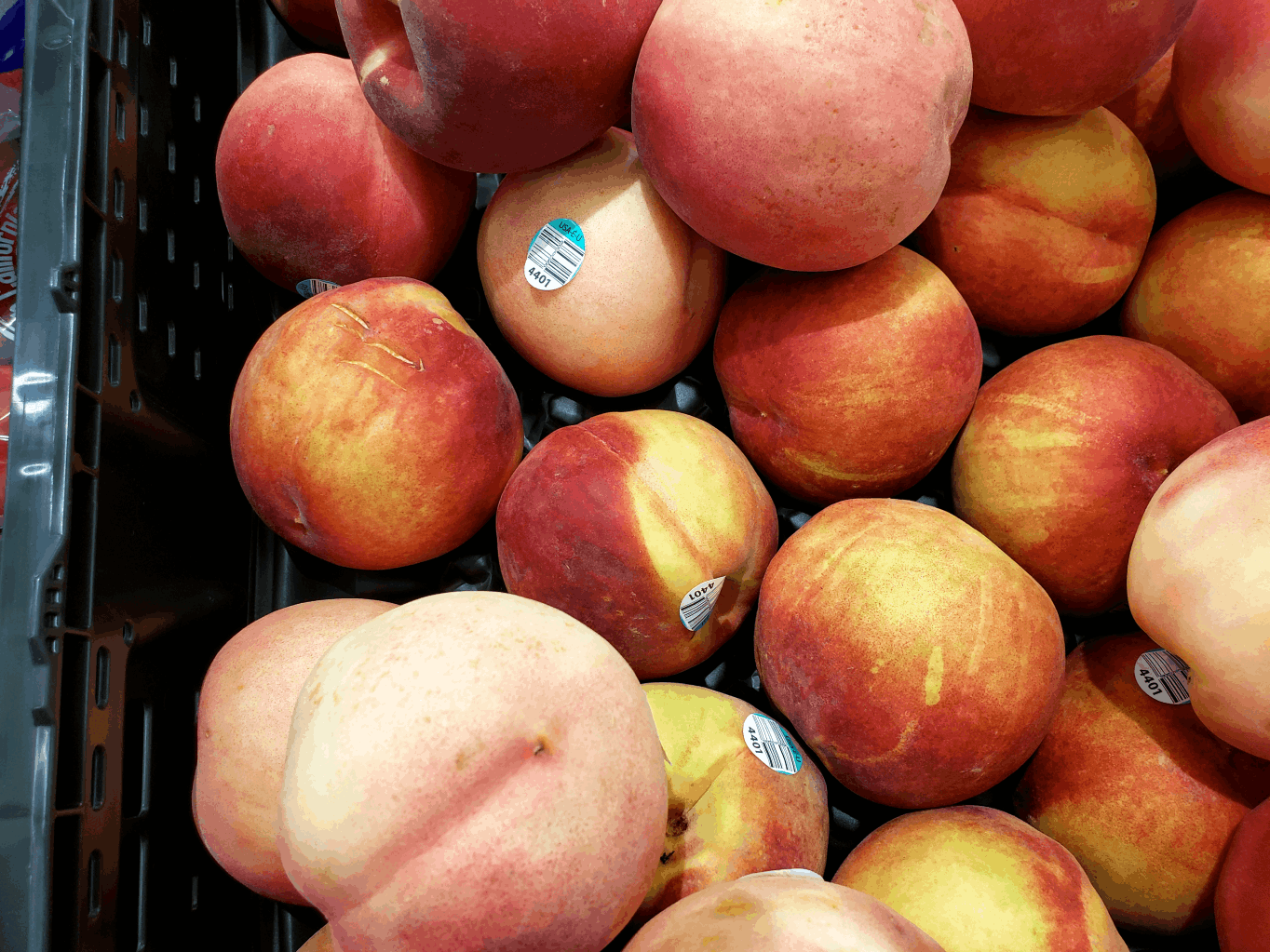
Article by Gil "hannaone"
© Copyright 2007-2025. All rights reserved.
Image by hannaonne
Weight and nutrition information obtained from USDA food database or Korean Standard Food Composition Tables
Peaches are a delightful fruit with a rich history and wide variety of uses.
Origin and History
Peaches (Prunus persica) are believed to have originated in China more than 4,000 years ago. They were highly valued by Chinese emperors and were often seen as symbols of immortality and unity. The fruit made its way to Persia (modern-day Iran), where it was further cultivated, and eventually reached Europe via the Silk Road. Spanish explorers later introduced peaches to the Americas in the 16th century.
Varieties
Peaches come in several varieties, which can be broadly categorized into two types: clingstone and freestone.
Clingstone: The flesh clings to the pit, making them ideal for canning and cooking.
Freestone: The flesh easily separates from the pit, making them perfect for fresh eating and baking.
Some popular peach varieties include:
Elberta: A classic yellow freestone peach, known for its sweet and juicy flavor.
Red Haven: A well-loved early-season freestone variety with a bright red skin and firm, sweet flesh.
White Peaches: These have a pale, white flesh that is sweeter and less acidic than yellow varieties. Varieties like the "White Lady" and "Donut Peach" fall into this category.
Uses
Peaches are incredibly versatile and can be enjoyed in various ways:
Fresh: Sliced and eaten as a snack or added to salads for a sweet touch.
Baked Goods: Used in pies, tarts, cobblers, and muffins.
Preserves: Made into jams, jellies, and preserves.
Beverages: Blended into smoothies, cocktails, and iced teas.
Grilled: Grilled peaches make a delicious side dish or dessert, often paired with ice cream or yogurt.
Substitutes
If you find yourself without peaches, there are several suitable substitutes depending on the recipe:
Nectarines: Closely related to peaches, nectarines have a similar flavor and texture but with a smooth skin.
Apricots: Smaller and slightly tangier, apricots can work well in many recipes that call for peaches.
Plums: While they have a different flavor, plums can provide a similar texture in baked goods and desserts.
Mangoes: For a tropical twist, mangoes can be used in place of peaches in smoothies and salads.
How much does a peach weigh?
| Peaches |
|||
|---|---|---|---|
| Extra Large |
3" Dia |
224g | 7.9oz |
| Large |
2-3/4" Dia |
175g | 6.2oz |
| Medium |
2-2/3" Dia |
150g | 5.3oz |
| Small |
2-1/2" Dia |
130g | 4.6oz |
| Cup, Slices |
154g | 5.4oz | |
| Nectarines | |||
While Nectarines resemble peaches, they are sweeter and more nutritious. Best when tree ripened, but they bruise easily so most are picked early. Let ripen for a couple days before use. Avoid nectarines that are too hard or that have green spots, or those that are bruised. Freestone varieties arriving in June and July are generally better than the cling varieties that come later. Substitutes: (One of)peaches, apricots. | |||
| Large |
2-3/4" Dia |
156g | 5.5oz |
| Medium |
2-1/2" Dia |
142g | 5oz |
| Small |
2-1/3" Dia |
129g | 4.6oz |
| Cup, Slices |
143g | 5oz | |
| |||||||||||||||||||||||||||||||||||||||||||||||||||||||||||
| |||||||||||||||||||||||||||||||||||||||||||||||||||||||

Comments