Weight Equivalents: Lemons
Article by Gil "hannaone"
© Copyright 2007-2025. All rights reserved.
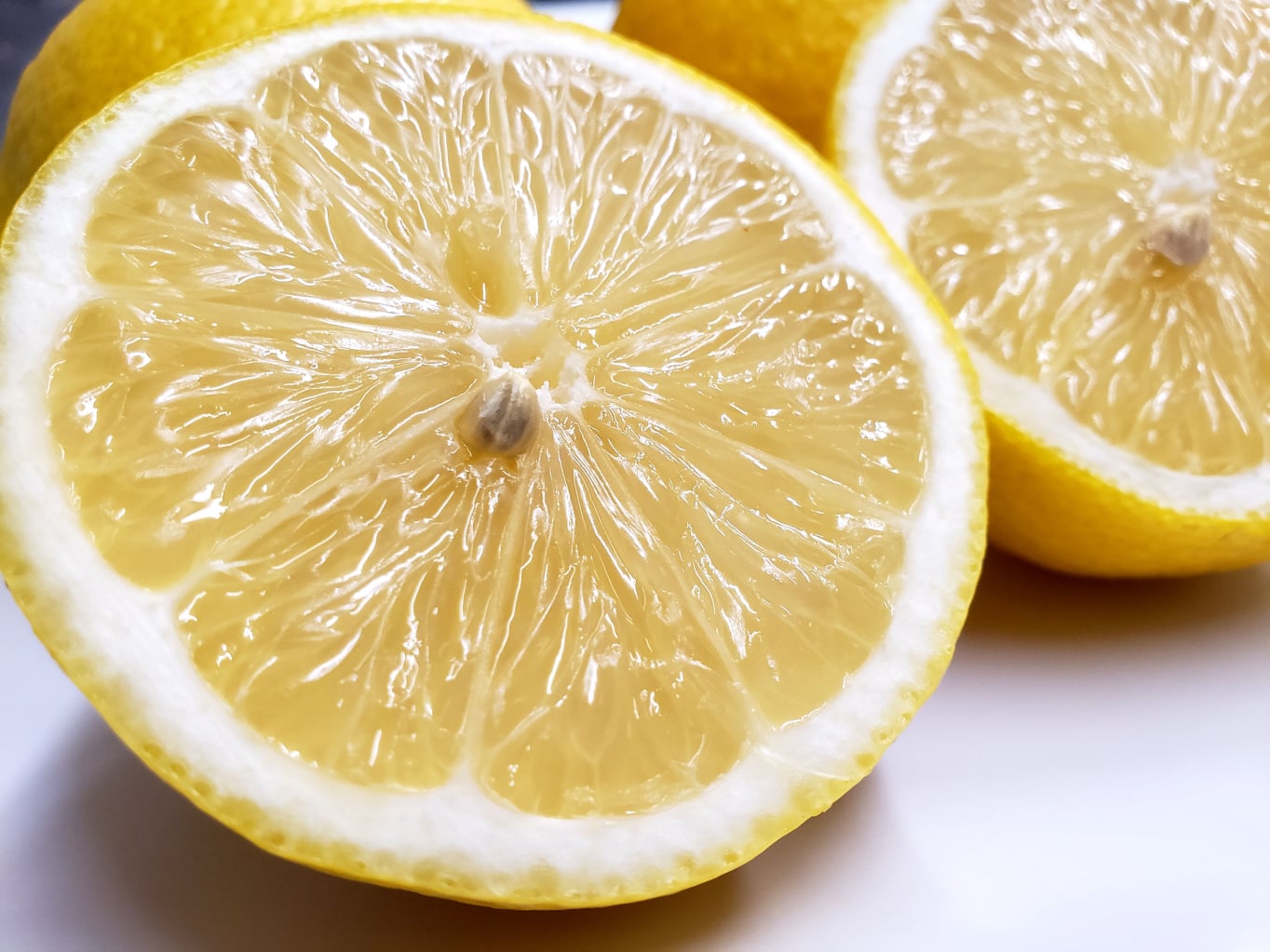
Image by hannaone
Weight and nutrition information obtained from USDA food database or Korean Standard Food Composition Tables
Lemons are a possible hybrid of sour orange and citron. This mouth puckering fruit is used in baking, making drinks, cocktails, and adding a touch of acidity to dishes. Lemons are also known for their high vitamin C content and are often used as a natural remedy for colds and sore throats. Beyond their culinary uses, lemons have also been celebrated for their cleansing and detoxifying properties in beauty treatments and household cleaning products.
Origin and History
Lemons (Citrus limon) are believed to have originated in the region of Assam (northeastern India), northern Burma, and China. They were introduced to Europe around the 1st century AD and were cultivated in the Mediterranean region by the 2nd century AD. Lemons were brought to the Americas by Christopher Columbus in 1493. They have since become a staple in cuisines and cultures around the world, appreciated for their tart flavor and numerous health benefits.
Varieties
There are several varieties of lemons, each with unique characteristics:
Eureka: The most commonly found lemon in supermarkets, known for its bright yellow color and tangy flavor.
Lisbon: Similar to Eureka, Lisbon lemons have a slightly thicker skin and fewer seeds.
Meyer: A cross between a lemon and a mandarin orange, Meyer lemons are sweeter, less acidic, and have a thinner, deep yellow to orange skin.
Ponderosa: Large, bumpy-skinned lemons with a mild flavor.
Femminello: An Italian variety known for its fragrant aroma and juicy flesh.
Uses
Lemons are incredibly versatile and are used in a wide range of culinary and non-culinary applications:
Cooking and Baking: Lemons are used to add flavor to savory dishes, desserts, and beverages. They are essential in recipes for lemonade, lemon meringue pie, and lemon chicken.
Preserving: Lemon juice is often used in canning and preserving fruits and vegetables to prevent browning and add acidity.
Cleaning: The acidity of lemons makes them effective natural cleaners. Lemon juice can remove stains, deodorize, and disinfect surfaces.
Health and Beauty: Lemons are rich in vitamin C and antioxidants. They are used in homemade beauty treatments, such as facial masks and hair rinses.
Substitutes
If you don't have lemons on hand, you can use the following substitutes:
Limes: Limes have a similar tart flavor and can be used in most recipes that call for lemons.
Vinegar: A small amount of white vinegar can provide acidity in cooking and baking.
Citric Acid: This can be used in place of lemon juice for preserving and cleaning purposes.
Lemon Extract or Zest: Lemon extract or zest can be used to add lemon flavor to dishes when fresh lemons are not available.
How much does a lemon weigh?
| Lemons | |||
|---|---|---|---|
| Large |
2-3/8" dia |
84g | 3oz |
| Average | 65g | 2.3oz | |
| Small |
2-1/8" dia |
58g | 2oz |
| Wedge or Slice |
1-8 of one 2-1/8" dia fruit |
7g | 0.2oz |
| Cup Sections |
212g | 7.5oz | |
| |||||||||||||||||||||||||||||||||||||||||||||||||||||||||||||||


Comments