Weight Equivalents: Gochujang
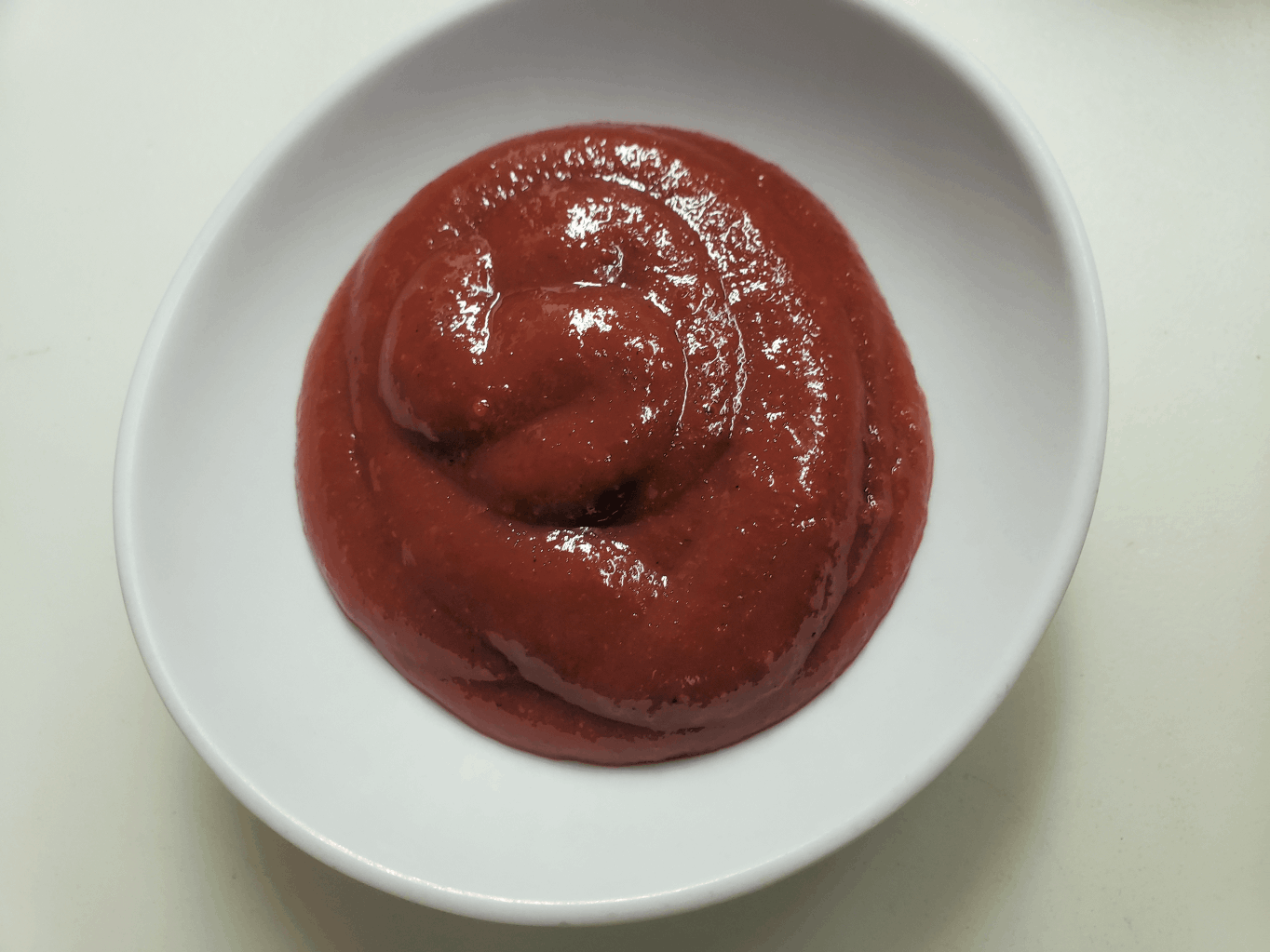
Article by Gil "hannaone"
© Copyright 2007-2025. All rights reserved.
Image by hannaone
Weight and nutrition information obtained from USDA food database or Korean Standard Food Composition Tables
Gochujang is a beloved Korean chili paste with a rich history and diverse uses. Here's a detailed look at its origin, history, varieties, uses, and substitutes:
Origin and History
Gochujang, a staple in Korean cuisine, is made from red chili powder, fermented soybeans, glutinous rice, and salt. Its history dates back to the 16th century when chili peppers were introduced to Korea through trade with the Americas. The fermentation process, which is key to its unique flavor, has been a part of Korean culinary tradition for centuries2. Traditionally, gochujang was fermented in earthenware jars called "onggi," which allowed for the perfect balance of sunlight and airflow.
Varieties
Gochujang comes in various heat levels, from mild to very spicy, depending on the amount of chili powder used. There are also regional variations, with some areas adding ingredients like barley or sweeteners to create unique flavors.
Uses
Gochujang is incredibly versatile and is used in a wide range of Korean dishes:
Bibimbap: Adds a spicy kick to this mixed rice dish.
Tteokbokki: Essential for the spicy rice cake dish.
Marinades: Used for meats like bulgogi and galbi.
Stews and Soups: Enhances the flavor of dishes like kimchi jjigae and sundubu jjigae.
Substitutes
If you can't find gochujang, here are some substitutes:
Miso Paste with Chili Powder: Mix miso paste with chili powder to mimic the umami and heat.
Sriracha with Miso: Combine sriracha sauce with a bit of miso paste for a similar flavor profile.
Doenjang with Chili Flakes: Use Korean soybean paste (doenjang) mixed with chili flakes as an alternative.
Gochujang's unique combination of sweet, spicy, and savory flavors makes it an indispensable ingredient in Korean cooking. Whether you're making traditional dishes or experimenting with new recipes, it adds depth and complexity to your meals.
How much do grapes weigh?
| Gochujang | |||
|---|---|---|---|
| Cup | 480g | 16.9oz |
|
| 1/2 Cup | 240g | 8.45oz | |
| 1/3 Cup | 160g | 5.63oz |
|
| Tablespoon | 30g | 1oz |
|
| Teaspoon | 10g | .4oz |
|
Conversion from grams to ounce: 28.3495231g(rounded to 28.35)= 1 oz
Ounces shown are rounded up or down to the nearest tenth of an ounce.
Ounces shown are rounded up or down to the nearest tenth of an ounce.
| |||||||||||||||||||||||||||||||||||||||||||


Comments