Weight Equivalents: Cantaloupe
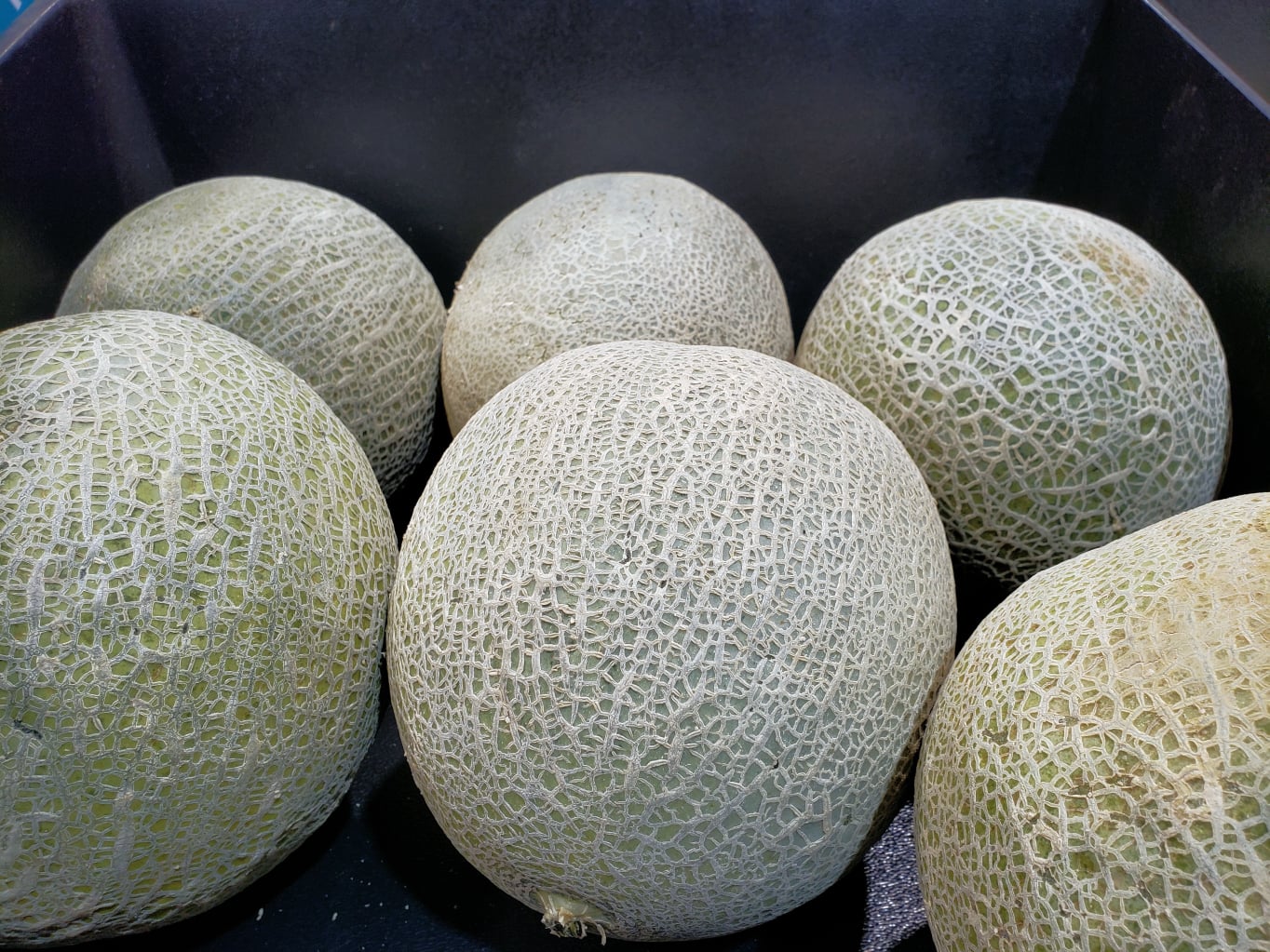
Article by Gil "hannaone"
© Copyright 2007-2025. All rights reserved.
Image by hannaone
Weight and nutrition information obtained from USDA food database or Korean Standard Food Composition Tables
Cantaloupe is a delicious and popular fruit known for its sweet and juicy orange flesh. It belongs to the Cucurbitaceae family, which includes other melons like watermelon and honeydew. Cantaloupe has a rich history and comes in various types, each with its unique characteristics.
Origin and History
Cantaloupe is believed to have originated in regions around the Mediterranean, particularly in ancient Persia (modern-day Iran) and Africa. It was cultivated by ancient civilizations and eventually spread to Europe and other parts of the world. The name "cantaloupe" is derived from Cantalupo, a town near Rome, Italy, where the fruit was grown in the papal gardens during the Renaissance.
Types of Cantaloupe
European Cantaloupe (Cucumis melo var. cantalupensis): This type has a rough, warty rind and a sweet, aromatic flavor. It is commonly found in Europe and is sometimes called "true cantaloupe."
North American Cantaloupe (Cucumis melo var. reticulatus): Also known as muskmelon, this type has a netted, tan rind and bright orange flesh. It is widely grown and consumed in the United States and Canada. The North American cantaloupe is often simply referred to as "cantaloupe" in these regions.
Uses of Cantaloupe
Cantaloupe is a versatile fruit that can be enjoyed in various ways. Here are some common uses:
Fresh Consumption: Cantaloupe is often eaten fresh, either on its own or as part of a fruit salad. Its juicy and sweet flavor makes it a perfect snack or dessert.
Smoothies and Juices: The fruit can be blended into smoothies or juiced for a refreshing and nutritious drink.
Salads: Cantaloupe can be added to green salads or mixed with other fruits for a vibrant and healthy dish.
Sorbets and Ice Creams: The fruit's natural sweetness makes it an excellent ingredient for sorbets, ice creams, and other frozen desserts.
Salsas and Appetizers: Cantaloupe can be diced and mixed with herbs and spices to create a unique salsa. It also pairs well with cured meats like prosciutto for a simple yet elegant appetizer.
Cantaloupe is not only delicious but also packed with essential nutrients like vitamins A and C, potassium, and fiber. Whether you enjoy it fresh, in a smoothie, or as part of a creative dish, cantaloupe is a delightful addition to any meal. 🍈
How much does cantaloupe weigh?
| Cantaloupe |
|||
|---|---|---|---|
| Large |
6-1/2" dia |
814g | 28.7oz |
| Medium |
5" dia |
552g | 19.5oz |
| Small |
4-1/4" dia |
441g | 15.6oz |
| Wedge, Large |
1/8 of Large Fruit |
102g | 3.6oz |
| Wedge, Medium |
1/8 of Medium Fruit |
69g | 2.4oz |
| Wedge, Small |
1/8 of Small Fruit |
55g | 1.9oz |
| Cup, Cubes |
160g | 5.6oz | |
| Cup, Diced |
156g | 5.5oz | |
| Melon Balls |
13.8g | 0.5oz | |
| Cup, Melon Balls |
177g | 6.2oz | |
| |||||||||||||||||||||||||||||||||||||||||||||||||||||||||||||||




Comments