Articles
Hanguk Mindam:
Korean Folk Tales
한국 민담 | Hanguk Mindam
🌸 Introduction to Korean Folk Tales
Imagine sitting by a fire on a crisp evening, listening to stories that have traveled across centuries. That’s the magic of Korean folk tales—timeless narratives woven into the very fabric of Korea’s cultural identity. These tales are more than entertainment; they are living echoes of history, belief, and imagination.
Rooted in nature and infused with the supernatural, Korean folk tales transport us to worlds where goblins dance, tigers speak, and ordinary villagers rise to extraordinary challenges. They are not just stories—they are cultural treasures that reveal how Koreans have understood life, morality, and the mysteries of the universe.
🌏 The Significance of Korean Folk Tales
Why do these tales matter? Because they are Korea’s collective memory. Folk tales preserve traditions, values, and lessons that shaped society long before textbooks existed.
- Moral Compass: They teach virtues like kindness, humility, and respect for elders.
- Cultural Mirror: They reflect the hopes, fears, and aspirations of everyday people.
- Entertainment with Wisdom: They delight audiences while quietly guiding them toward ethical living.
In short, Korean folk tales are both lanterns of wisdom and mirrors of the soul.
📜 Origins of Korean Folk Tales
The roots of Korean folklore stretch back to the Three Kingdoms period (57 BC – 668 AD) and blossomed through the Goryeo and Joseon dynasties.
- Oral Tradition: For centuries, tales were passed from storyteller to listener, their rhythms echoing in village courtyards and mountain shrines.
- Written Records: Later, scribes preserved these stories in texts, ensuring they survived beyond memory.
- Cultural Influences: Shamanism infused them with spiritual depth, while Confucianism added moral structure.
Together, these influences created a storytelling tradition that is both mystical and profoundly human.
🐉 Key Characters and Themes
Korean folk tales brim with unforgettable figures:
- The Commoner Hero: Ordinary villagers who embody resilience and virtue.
- Mythical Beings: Mischievous dokkaebi (goblins), wise dragons, and benevolent spirits.
- The Trickster: Clever animals like the fox or rabbit who challenge authority and expose human folly.
Recurring themes include:
- Loyalty and filial piety
- Harmony with nature
- Virtue triumphing over greed and corruption
Every tale is a moral stage play, where justice prevails and humility shines.
📚 Popular Korean Folk Tales
A few gems from Korea’s folklore treasury:
- Heungbu and Nolbu: Two brothers—one kind, one greedy—illustrate the rewards of compassion and the downfall of selfishness.
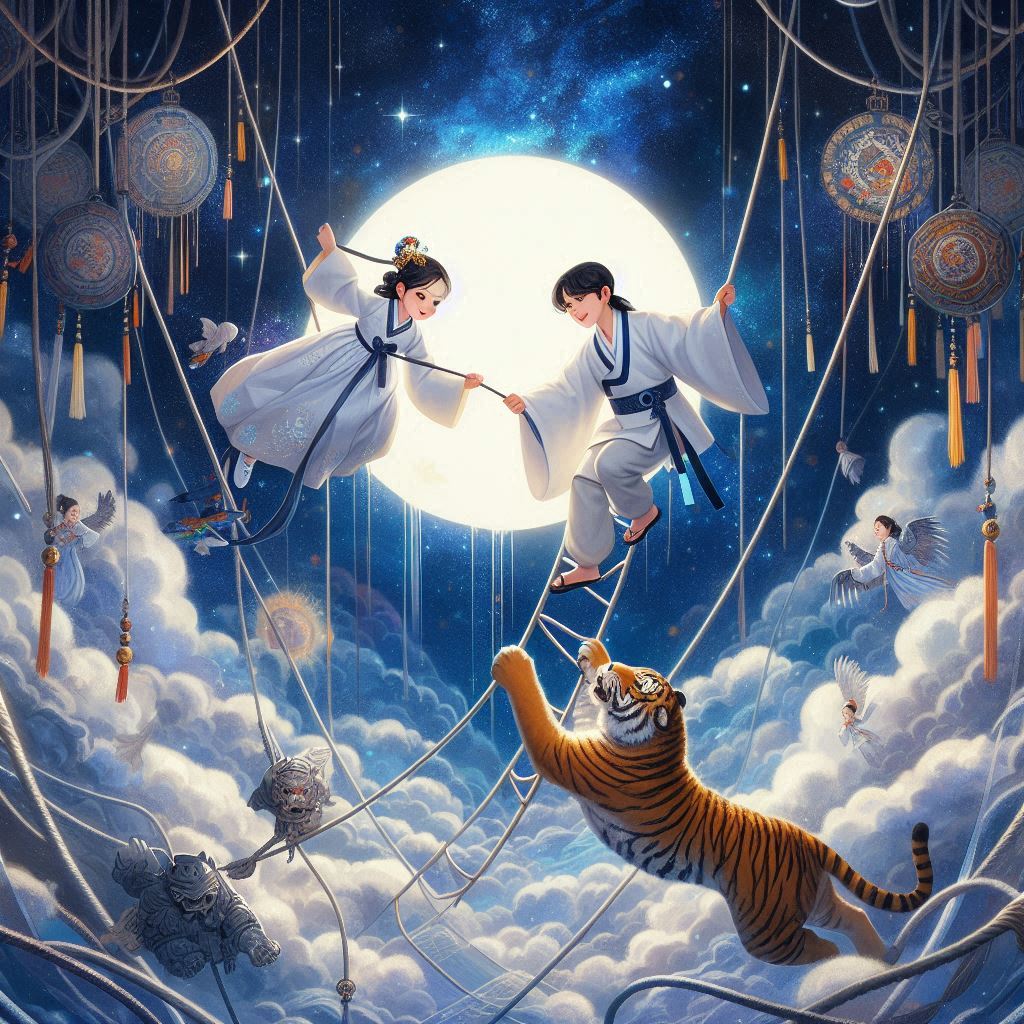
- The Sun and the Moon: A brother and sister escape a tiger and ascend to the heavens, becoming celestial guardians.
- The Woodcutter and the Heavenly Maiden: A bittersweet tale of love between mortal and divine, underscoring honesty and integrity.
- Tale of Shim Cheong: A daughter’s sacrifice for her blind father becomes a moving ode to filial devotion.
- The Rabbit’s Judgment: A witty parable where cleverness and justice prevail.
Each story is a blend of entertainment and ethical teaching, designed to delight while shaping character.
🍚 Influence on Korean Culture and Cuisine
Folk tales don’t stop at morals—they seep into daily life, even onto the dinner table.
- Food as Symbol: Rice cakes (tteok) often appear as tokens of prosperity and celebration.
- Kimchi’s Origins: Tales highlight resourcefulness in preserving food for harsh winters, mirroring Korea’s culinary ingenuity.
- Ancestral Rites: Dishes described in folklore, like those prepared for jesa (ancestral rituals), remain central to Korean tradition today.
In these stories, food is never just food—it is memory, ritual, and meaning.
🌱 Preserving Folk Tales for the Future
As Korea modernizes, the challenge is to keep these tales alive. Retelling them ensures that future generations inherit not just the stories, but the wisdom within them.
- They connect us to the past.
- They instill pride in cultural heritage.
- They resonate universally, offering lessons that transcend borders.
Safeguarding these tales means safeguarding Korea’s soul.
✨ Embracing the Soul of Korean Folk Tales
To immerse yourself in Korean folk tales is to step into the collective imagination of a nation. These stories are bridges between past and present, between myth and reality.
They remind us that imagination is not frivolous—it is a vessel of wisdom. Through goblins, dragons, and humble villagers, Korea’s cultural legacy unfolds, inviting us to cherish its timeless lessons.
In the end, Korean folk tales are not just Korea’s stories—they are humanity’s stories, resonating with anyone who values courage, kindness, and the eternal dance between the ordinary and the extraordinary
Article by Gil "hannaone" © Copyright 2025-2026. All rights reserved.
Image by AI and hannaone: Folk Tale - Sun and Moon
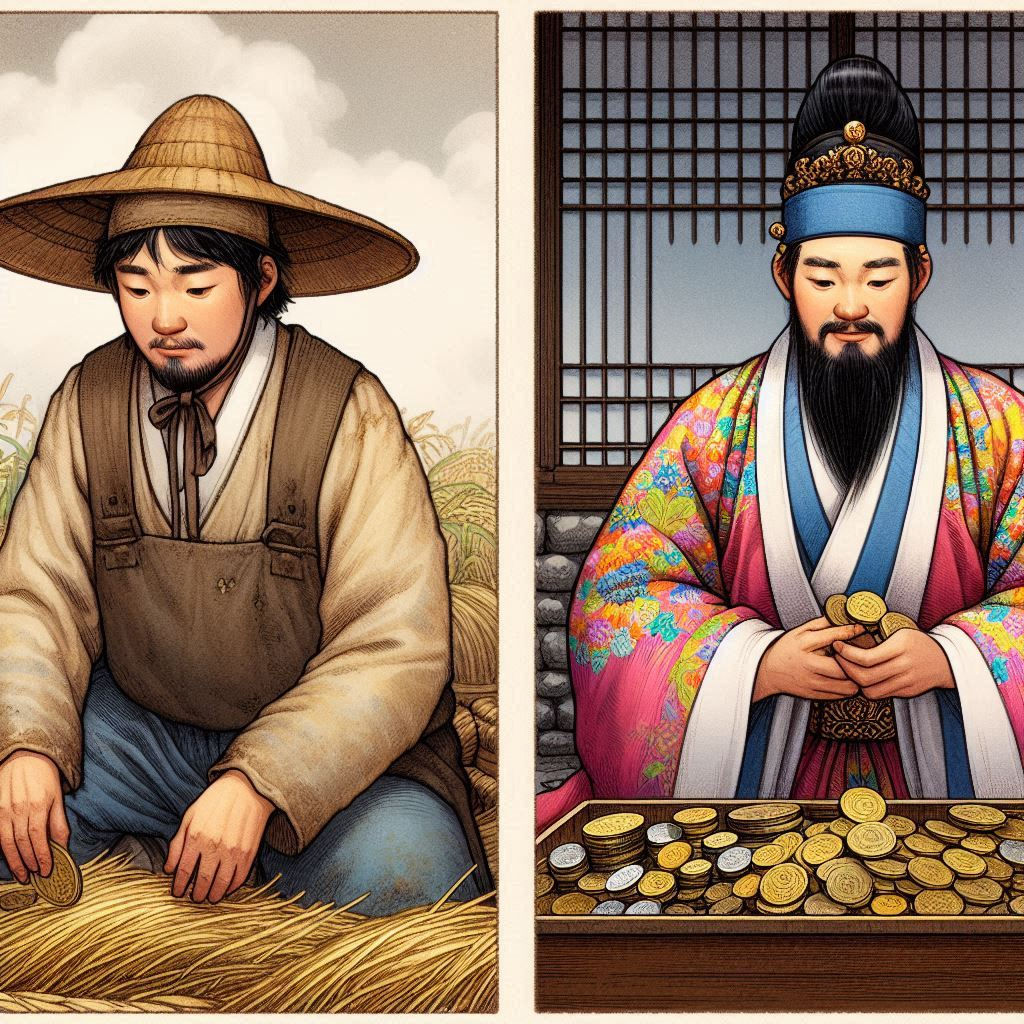
Image by AI and hannaone: Heungbu and Nolbu
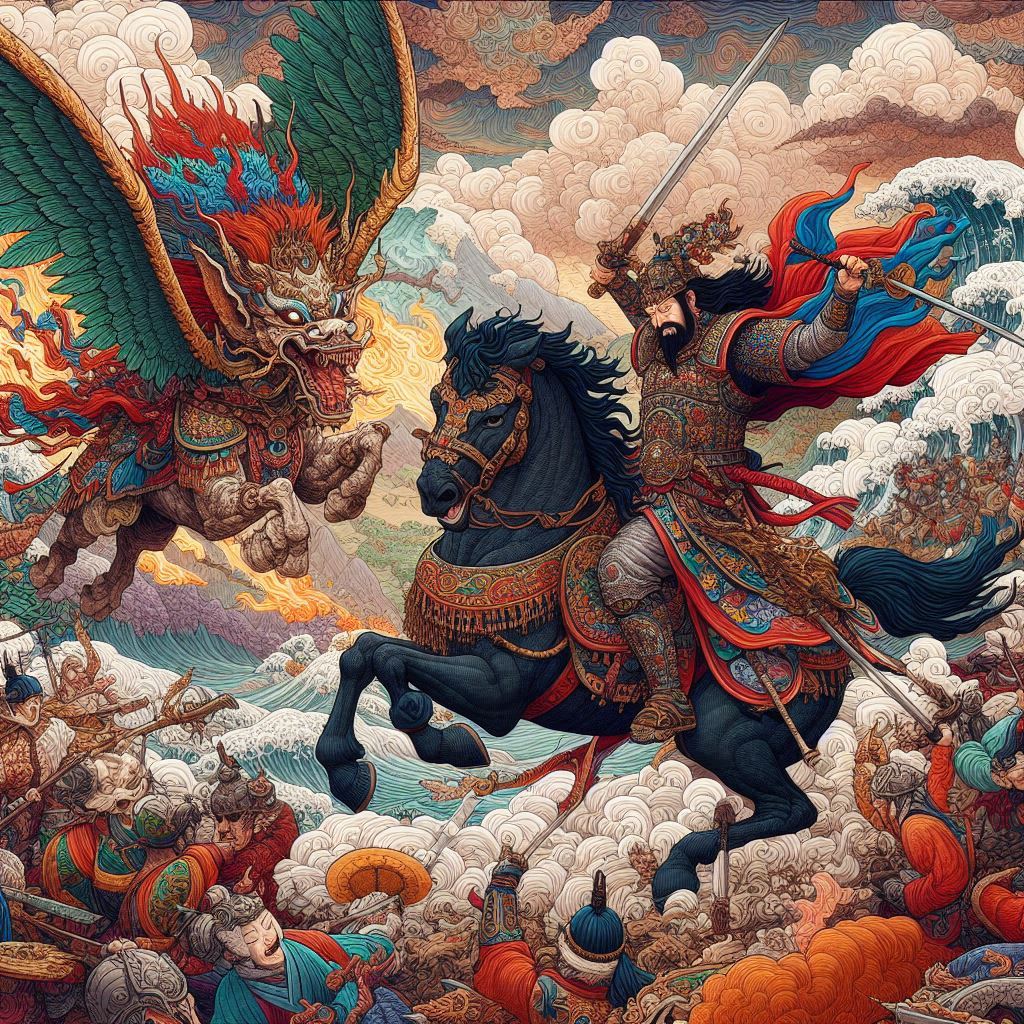
Image by AI and hannaone: The General and the Reaper
Comment?